
CineVood: Hindi films of the 1980s and 1990s in English, from Mr. India, Maine Pyar Kiya, Chandni and Lamhe to Hum Hain Rahi Pyar Ke, Chachi 420, Taal and Angoor, and where to watch them
172 Hindi films from 1980 to 1999: family comedies, the great romances, the three Khans, Anil Kapoor, Sridevi and Madhuri Dixit, Amitabh Bachchan and the gentle cinema.
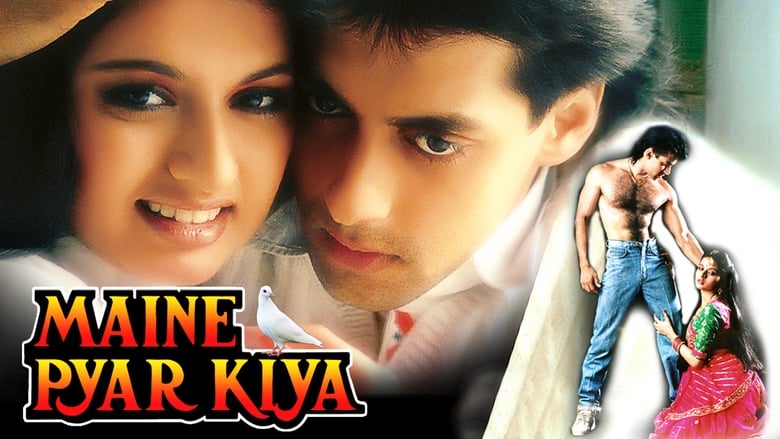
Maine Pyar Kiya (1989)
After Suman's father leaves her in the care of another family while he travels abroad, she falls in love with Prem. However, in order to for them to marry, Prem has to …
Read More »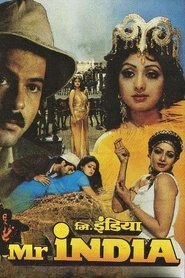


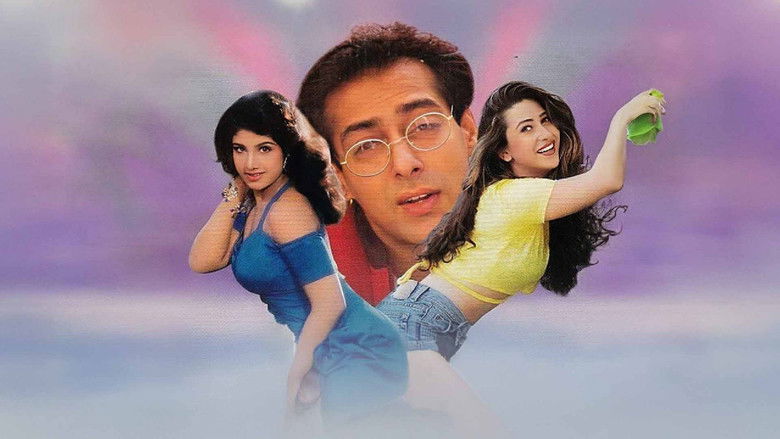
Judwaa (1997)
Identical twins Raja and Prem are separated at birth and raised in drastically different backgrounds. While Prem becomes a singer in the USA, Raja's life leads him to …
Read More »

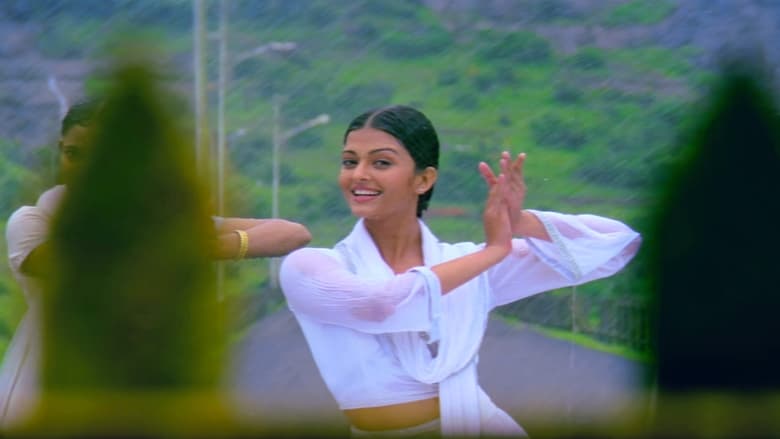
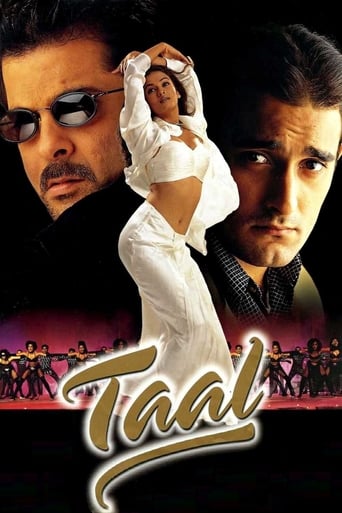
Taal (1999)
Businessman Manav falls for aspiring singer, Mansi, but their romance faces an uphill climb when Manav must depart and Mansi's suave manager moves in.
Read More »

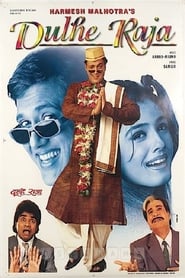


Angoor (1982)
Two pairs of identical twins are separated following an unfortunate incident. However, years later, their lives intertwine, leading to confusion and misunderstandings. …
Read More »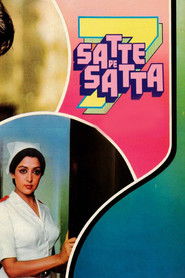
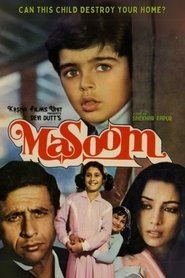

Akele Hum Akele Tum (1995)
Rohit and wealthy Kiran Dayal meet each other and fall in love. They intend to marry, but Kiran's parents will not permit her to marry beneath her class. Kiran is …
Read More »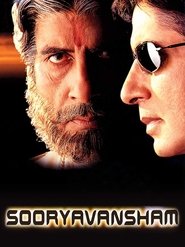
King Uncle (1993)
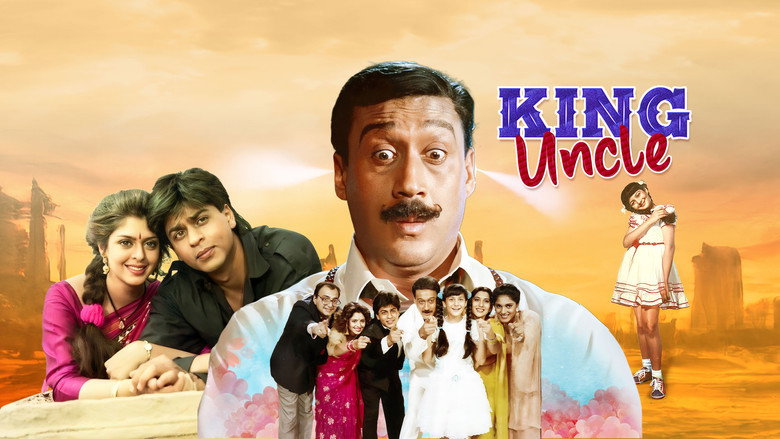
Ashok Bansal has a traumatic childhood which teaches him that money matters most to people, even more than their kids. Ashok starts hating poor people & starts working …
Read More »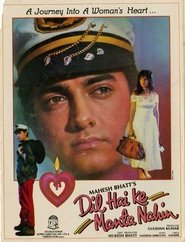
Aashiqui (1990)
Rahul and Anu Verghese meet on the same day, while both are held by the police on charges of creating a disturbance, and running away respectively. They meet again, and …
Read More »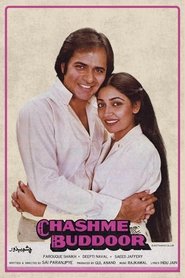

Latest Films

Bollywood of the 1980s and 1990s: the CineVood guide
CineVood: Hindi films of the 1980s and 1990s in English, from Mr. India, Maine Pyar Kiya, Chandni and Lamhe to Hum Hain Rahi Pyar Ke, Chachi 420, Taal and Angoor
For anyone who grew up with Hindi films, the 1980s and 1990s are the decades of the video cassette and the audio tape, of film songs on the radio every morning and of Sunday afternoons in front of the television. They are the years of Anil Kapoor and Sridevi, of Madhuri Dixit and Juhi Chawla, of Govinda's dancing, of Amitabh Bachchan at the height of his fame and of three young actors named Khan who arrived within a few months of one another. CineVood is an English guide to those two decades: 172 Hindi films, made between 1980 and 1999, each with its own page, its story in English, its year, its running time and a Watch now button that leads to the official services carrying it in your country.
The catalogue has been chosen by hand for family viewing. The two decades are famous for their action films, and those belong to other guides; CineVood gathers the comedies, the love stories, the family dramas, the fantasies and the small, gentle films that parents, children and grandparents can enjoy together. The result is a friendly collection that runs from Khubsoorat and Sparsh in 1980 to Taal, Mann and Sooryavansham in 1999.
The sections below are a relaxed tour: how the site is laid out, the entertainers of the 1980s, the young lovers, the stars of the era, the three Khans, the comedies, Amitabh Bachchan, the gentle cinema, family films, music and a few plans for a first week. Each section links to a short help page, and the How to watch page sums up the simple steps from a title page to the official service.
How CineVood looks
CineVood keeps the look of the site it is named after, which was laid out like an online film magazine. The whole page sits in a white box on a pale grey background. A thin slate-grey line runs across the very top, and beneath it comes a pale strip with a short description of the site, a row of small links to Comedy, Romance, Family, Music, Gentle cinema and My List, and a search box with a slate-grey button. The logo follows: a small strip of film with a play arrow, and the name CineVood in dark grey and slate.
Below the logo runs the menu, a dark bar with a slate-grey line along its lower edge. Its links lead to Home, Bollywood, the 1980s, the 1990s, Comedy, Romance, Top Rated, the A to Z list and Help, and the page you are on is picked out in slate. On a phone, the menu folds into a three-line button beside the logo.
The home page is built from boxes, each with a title in tall, condensed capital letters followed by a band of fine grey lines, a detail taken directly from the original design. The first box, Bollywood, is the widest: a large picture from the most popular film, its title, the opening of its story and a slate Read More button on the left, and a list of five more films with small posters on the right. Then come six smaller boxes in pairs, Comedy and Love stories, the 1980s and the 1990s, The three Khans and Gentle cinema, each with one large picture and a short list. A Latest Films box shows a grid of twelve posters, and this guide sits in its own box at the bottom.
The right-hand column holds three panels with the same striped titles: Popular, with small posters; Recent Posts, a plain list of titles; and Help Pages. Every box and panel has a soft shadow and a slate-grey line along its lower edge, and the dark footer is topped by a thick slate band. The colours, the striped titles, the menu bar and the arrangement of the boxes were measured from a saved copy of the original site from November 2018; the typeface is a close relative of the one it used, and every part of the page works with a keyboard, a screen reader and a small phone screen.
The entertainers of the 1980s
The 1980s loved a big, generous entertainment, with comedy, songs, sentiment and a touch of fantasy all in one film. The The 1980s shelf holds 66 films, and the The 1980s help page picks out the essentials.
Mr. India, from 1987, directed by Shekhar Kapur, is the best loved of them all. Anil Kapoor plays Arun, a kind-hearted violinist who shares his ramshackle house with a crowd of orphaned children and struggles to pay the rent. When he discovers a device, invented by his late father, that makes its wearer invisible, he becomes the mysterious Mr. India. Sridevi is the journalist who rents a room in the house and dislikes children, at least at first; her comic turn as a Charlie Chaplin look-alike in a casino is a classic, and Amrish Puri's villain Mogambo, with his famous catchphrase of satisfaction, is one of the great comic-book rogues of Indian cinema.
Chaalbaaz, from 1989, gives Sridevi the double role of twin sisters separated in infancy, one timid and one bold, who change places; it is her show from start to finish, with Rajinikanth and Sunny Deol in happy support. Kishen Kanhaiya, from 1990, directed by Rakesh Roshan, plays the same game with Anil Kapoor as twin brothers, and Ram-Avtar, from 1988, brings Anil Kapoor, Sunny Deol and Sridevi together in a story of two childhood friends.
The decade also had a taste for fairy tales. Adventures of Ali-Baba and the Forty Thieves, from 1980, was made jointly by Indian and Soviet film-makers, with Dharmendra, Hema Malini and Zeenat Aman, and it is a handsome telling of the old story. Sohni Mahiwal, from 1984, another Indo-Soviet production, tells the Punjabi legend of the potter's daughter and the trader from Bukhara, with Sunny Deol and Poonam Dhillon. Haatim Tai, from 1990, sends the generous hero of Arabian legend, played by Jeetendra, on a quest to answer seven riddles and free a fairy from a spell.
Family dramas were just as popular. Avtaar, from 1983, with Rajesh Khanna and Shabana Azmi, follows a hard-working father who rebuilds his life after his sons turn away from him, and it revived its star's career. Saaheb, from 1985, casts Anil Kapoor as the youngest son of a large family, a football-mad dreamer who makes a great sacrifice for his sister's wedding. Khudgarz, from 1987, the first film directed by Rakesh Roshan, is the story of two friends, one rich and one poor, whose friendship is tested by business, and Eeshwar, from 1989, directed by K. Viswanath, gives Anil Kapoor one of his finest roles as a simple, good-hearted man who cares for everybody he meets.
Several smaller films of the decade complete the picture. Swarg, released in 1990, follows a faithful servant, played by Govinda, who restores the fortunes of the master who once sheltered him. Biwi Ho To Aisi, from 1988, with Rekha and Farooq Shaikh, is a comedy of a new bride who stands up to a domineering mother-in-law, and it is remembered as the first film of Salman Khan, in a supporting part. Naseeb Apna Apna, Aulad, Uttar Dakshin, Bade Ghar Ki Beti and Clerk are family stories in the same warm tradition.
Young love
Every few years a new pair of young faces would arrive in a fresh love story, and the whole country would fall for them. The Love stories shelf holds 92 films, the largest on the site, and the Love stories help page suggests where to start.
Love Story, from 1981, introduced Kumar Gaurav and Vijayta Pandit as runaway sweethearts, and its songs were played everywhere. Betaab, from 1983, directed by Rahul Rawail and filmed in a valley of Kashmir that still carries the film's name, introduced Sunny Deol and Amrita Singh. Yeh Vaada Raha, with Rishi Kapoor, and Pyar Jhukta Nahin, with Mithun Chakraborty and Padmini Kolhapure, were great successes of the same years, and Saagar, from 1985, directed by Ramesh Sippy, brought Rishi Kapoor, Dimple Kapadia and Kamal Haasan together in a seaside romance with a superb score by R. D. Burman.
Then, in 1989, came Maine Pyar Kiya. Directed by the young Sooraj Barjatya for the Rajshri company, it tells the story of Prem, the son of a wealthy family, and Suman, the daughter of his father's old friend, who comes to stay in the house. Their friendship turns to love, and Prem must prove to her father that he can earn his own living. Salman Khan and Bhagyashree became stars overnight, the songs sold in enormous numbers, and the film's innocence, its jokes about friendship and its carrier pigeon set a pattern for the family romances of the following decade.
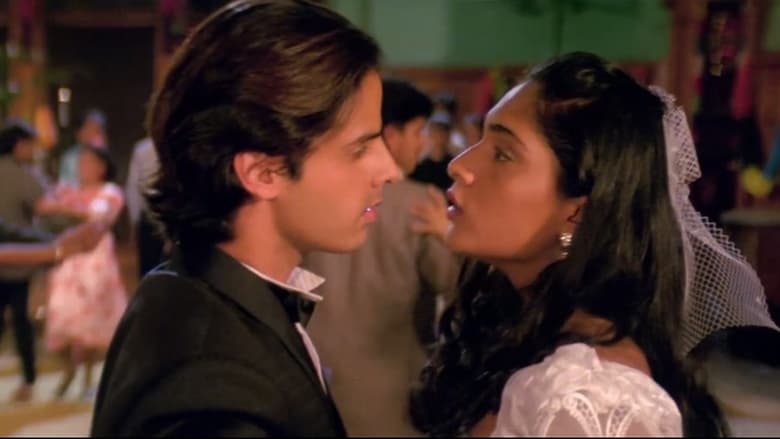
Aashiqui, from 1990, directed by Mahesh Bhatt, was built around its music: the songs by Nadeem and Shravan, sung by Kumar Sanu and Anuradha Paudwal, were recorded first, and the album became one of the best-selling soundtracks in the history of Hindi cinema. Dil Hai Ke Manta Nahin, from 1991, also by Mahesh Bhatt, sends a runaway heiress, played by Pooja Bhatt, across the country in the company of a sharp-tongued reporter, played by Aamir Khan. Saajan, from 1991, is a story of friendship and poetry in which two friends, played by Sanjay Dutt and Salman Khan, love the same woman, played by Madhuri Dixit, who has fallen for a poet she has only read.
Yash Chopra, the master of the Hindi romance, made two of his most admired films in these years. Chandni, from 1989, with Sridevi in white against the Swiss Alps and the rain of Delhi, restored the love story to the centre of Hindi cinema, and its music and costumes were copied everywhere. Lamhe, from 1991, set in Rajasthan and London, is a daring and delicate story of a man, played by Anil Kapoor, and of the mother and daughter, both played by Sridevi, who pass through his life twenty years apart; many admirers consider it the director's finest work.
The stars of the era
A handful of stars carried the two decades on their shoulders. The Stars of the era shelf holds 50 films, and the Stars of the era help page follows them one by one.
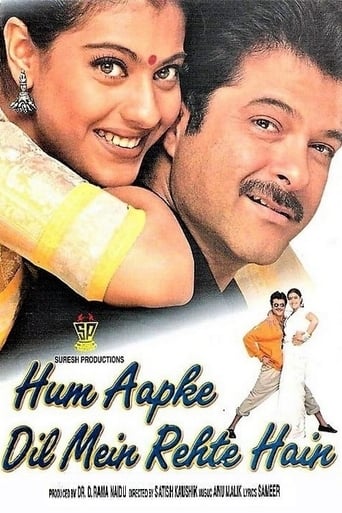
Anil Kapoor is the actor who appears most often in this catalogue, with 22 films. After Saaheb, Chameli Ki Shaadi and Mr. India in the 1980s, he went on to Beta, from 1992, directed by Indra Kumar, in which he plays a devoted son and Madhuri Dixit plays the clever wife who protects him; the film was the greatest success of its year. Laadla, Mr. Bechara and Judaai pair him with Sridevi, Hum Aapke Dil Mein Rehte Hain pairs him with Kajol, and in Taal, from 1999, he steals the film as a fast-talking music producer.
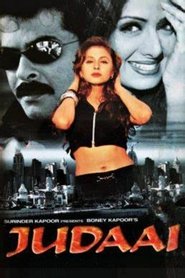
Sridevi could do everything: comedy, dance, tears and mischief, often within a single scene. Chaalbaaz, Chandni, Lamhe and Mr. India are her monuments, and Banjaran, with Rishi Kapoor, is a romance of a nomad girl and a young man of the city who remember another life. In Judaai, from 1997, she plays a wife who longs for wealth and makes an extraordinary bargain to get it, with Urmila Matondkar as the other woman in the story; the film is a comedy that turns into a moving lesson about what matters.
Madhuri Dixit, the finest dancer among the stars of her time, appears in Saajan, Beta, Raja, Jamai Raja and Deewana Mujh Sa Nahin, and in Sangeet, from 1992, directed by K. Viswanath, she plays both a mother and her daughter, a girl who has lost her sight and dreams of singing. Juhi Chawla, the queen of light comedy, shines in Hum Hain Rahi Pyar Ke, Raju Ban Gaya Gentleman, Yes Boss, Deewana Mastana and Mr. & Mrs. Khiladi, and in Aaina, from 1993, she plays the quiet younger sister who steps out from the shadow of her glamorous sibling.
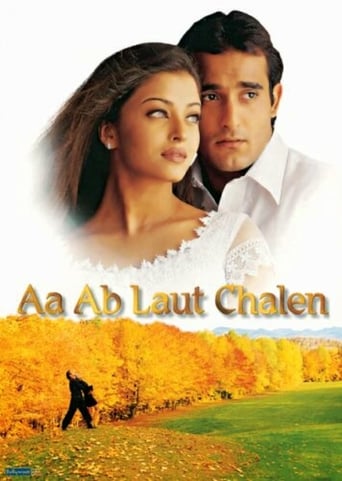
Rishi Kapoor, the romantic hero of the 1970s, remained a favourite through both decades, in Saagar, Chandni, Henna and Yeh Vaada Raha. Henna, from 1991, was the last project of his father, Raj Kapoor, and was completed by his brother Randhir: an Indian man is carried by a river across the border into Pakistan, where a village girl nurses him back to health, and the film is a plea for friendship between the two countries. In 1999 Rishi Kapoor turned director with Aa ab Laut Chalen, the story of a young Indian who seeks his fortune in America, with Akshaye Khanna, Aishwarya Rai and Rajesh Khanna.
The three Khans
Salman Khan, Aamir Khan and Shah Rukh Khan were all born in 1965, and all three became stars around the turn of the 1990s. The The three Khans shelf holds 26 of their films, and the The three Khans help page offers a short guide.
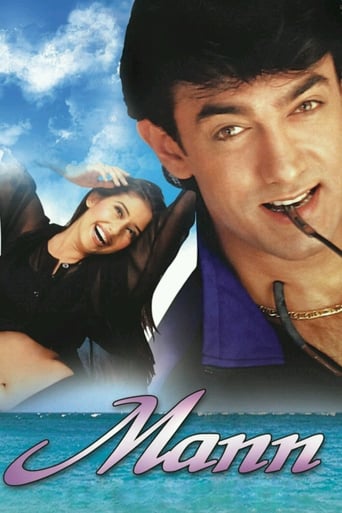
Aamir Khan is the careful one, known for choosing his parts slowly. In Hum Hain Rahi Pyar Ke, from 1993, he plays Rahul, a young man who finds himself in charge of his late sister's three mischievous children and her garment factory; when a runaway girl, played by Juhi Chawla, hides in the house, the children decide she must stay. Aamir Khan helped to write the film, and it won the Filmfare award for best film. Akele Hum Akele Tum, from 1995, directed by Mansoor Khan, follows a singer who must learn to raise his small son alone when his wife, played by Manisha Koirala, leaves to find her own career. Mann, from 1999, is a shipboard romance in which the two fall in love on a cruise and promise to meet again, and Deewana Mujh Sa Nahin, Afsana Pyar Ka, Daulat Ki Jung and Isi Ka Naam Zindagi are light films from his first years.
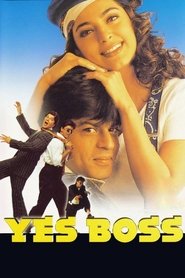
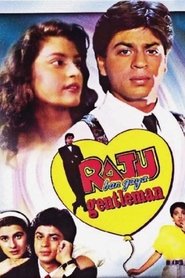
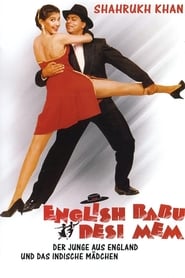
Shah Rukh Khan came to the cinema from television, and his early films have an eager charm. In Raju Ban Gaya Gentleman, from 1992, directed by Aziz Mirza, he plays a young engineer from Darjeeling who arrives in Bombay with big dreams and must choose between success and the friends who believed in him. In Chamatkar, from the same year, he plays a penniless young man who meets a friendly ghost, played by Naseeruddin Shah, and ends up coaching a cricket team. King Uncle, from 1993, inspired by the musical Annie, stars Jackie Shroff as a stern millionaire whose heart is melted by a little orphan girl, with Shah Rukh Khan as his cheerful younger brother. Yes Boss, from 1997, with Juhi Chawla, is a comedy about an ambitious assistant who will do anything for his employer until love gets in the way, and English Babu Desi Mem and Guddu are further curiosities from his early career.
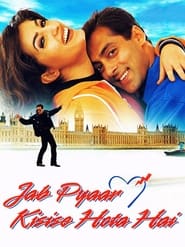
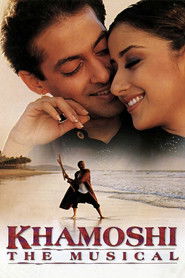
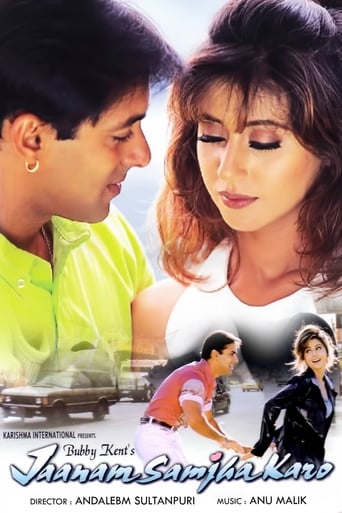
Salman Khan was the favourite of family audiences from Maine Pyar Kiya onwards. Sanam Bewafa and Love, both from 1991, are romances across family barriers, and Ek Ladka Ek Ladki, from 1992, is a comedy about an heiress who loses her memory and the young man who looks after her along with three lively children. Judwaa, from 1997, directed by David Dhawan, gives him a double role as twins separated at birth who feel each other's every movement, with happy confusion as the result. In Khamoshi: The Musical, from 1996, the first film of the director Sanjay Leela Bhansali, he plays a musician in love with a young woman from Goa, played by Manisha Koirala, whose parents can neither hear nor speak; Nana Patekar and Seema Biswas are unforgettable as the father and mother. Jab Pyaar Kisise Hota Hai, Pyaar Kiya To Darna Kya and Jaanam Samjha Karo are bright romantic comedies from the end of the decade.
The comedies
Laughter is the strongest thread in this catalogue, and the Comedy shelf holds 57 films. The Comedy help page picks out the best.
Chachi 420, from 1997, directed by and starring Kamal Haasan, is one of the funniest family films of the 1990s. A father who misses his small daughter after his marriage ends disguises himself as an elderly nanny, complete with sari and spectacles, and takes a job in the house of his stern father-in-law, played by Amrish Puri. Tabu, Om Puri, Paresh Rawal and Johnny Walker, in his last film role, are all in splendid form, and the nanny soon has several admirers of her own.
Angoor, from 1982, directed by Gulzar, is a perfect comedy. Taken from Shakespeare's Comedy of Errors, it follows two pairs of identical twins, two masters both named Ashok and two servants both named Bahadur, who arrive in the same town on the same day. Sanjeev Kumar and Deven Verma play all four parts with the lightest of touches, and the misunderstandings multiply with clockwork precision. Chameli Ki Shaadi, from 1986, directed by Basu Chatterjee, is a small-town comedy about a young wrestler, played by Anil Kapoor, who has sworn to avoid romance until he meets the coal merchant's spirited daughter, played by Amrita Singh.
Satte Pe Satta, from 1982, inspired by the musical Seven Brides for Seven Brothers, follows seven rough-mannered brothers on a farm whose lives change when the eldest, played by Amitabh Bachchan, brings home a bride, played by Hema Malini, who sets about teaching them all to wash, shave and behave. Do Aur Do Paanch, from 1980, sends two rival rogues, played by Amitabh Bachchan and Shashi Kapoor, to a boarding school disguised as teachers, where the children soon get the better of them. Khel, from 1992, directed by Rakesh Roshan, is a breezy caper with Anil Kapoor and Madhuri Dixit, and Pyaar To Hona Hi Tha, from 1998, sends Kajol and Ajay Devgn on a quarrelsome journey from Paris to India.
Govinda and friends
In the 1990s one comedian ruled the box office. Govinda, with his bright shirts, his rubber-limbed dancing and his perfect timing, made a long series of comedies with the director David Dhawan and with the actor and writer Kader Khan. The Govinda and friends shelf holds 32 films, and the Govinda and friends help page introduces them.
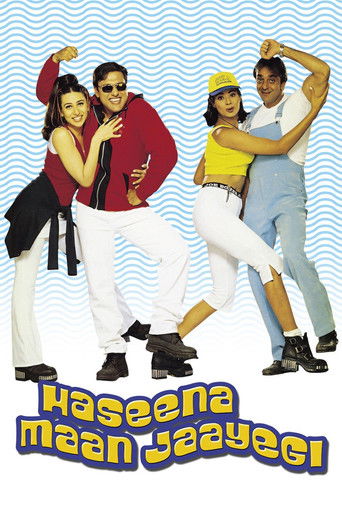
Raja Babu, from 1994, casts him as the pampered son of a village landlord, a young man who loves to be photographed in the uniforms of professions he has yet to master. Deewana Mastana, from 1997, sets him against Anil Kapoor as two suitors competing for the attention of a doctor, played by Juhi Chawla, with a surprise in the final scene. Haseena Maan Jaayegi, from 1999, pairs him with Sanjay Dutt as two prankster brothers who drive their father, played by Kader Khan, to distraction, and Dulhe Raja, from 1998, has him open a small food stall directly in front of a grand hotel, to the fury of its owner. Banarasi Babu, Rajaji, Pardesi Babu and Naseeb are further outings, and the shelf also holds his three famous comedies with the words Number One in their titles, in which he plays a railway porter, a devoted suitor and a hotel waiter.
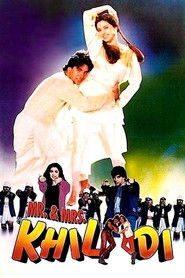
Kader Khan wrote the dialogue for hundreds of films and appeared in most of them, and two comedies give him the central part. In Dariya Dil, from 1988, he is a wealthy miser whose family tries every trick to loosen his purse, and in Jaisi Karni Waisi Bharni, from 1989, a son who has been unkind to his parents learns his lesson when his own child grows up. David Dhawan also directed Swarg, Judwaa and Mr. & Mrs. Khiladi, in which Akshay Kumar plays a lazy dreamer who must earn a large sum by honest work before his father-in-law, played by Kader Khan, will accept him.
Amitabh Bachchan
Amitabh Bachchan entered the 1980s as the biggest star in India, and his comedies and entertainers of those years are among the best loved of his films. The Amitabh Bachchan shelf holds ten films, and the Amitabh Bachchan help page describes them.
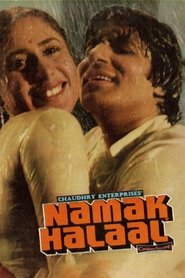
Namak Halaal, from 1982, directed by Prakash Mehra, sends Arjun, a country boy raised by his grandfather, to the city to work in a grand hotel. His job interview, in which he explains his command of English with a breathless speech about cricket, is one of the most quoted comic scenes in Hindi cinema, and the songs, among them a famous number about the monsoon, were enormous hits. Shashi Kapoor, Smita Patil, Parveen Babi and Om Prakash complete the cast. Yaarana, from 1981, is a story of friendship between a village singer and the wealthy childhood friend, played by Amjad Khan, who gives up everything to make him a star; its stage number in a suit of glowing light bulbs is a famous moment.
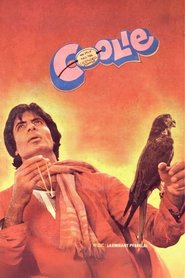
Coolie, from 1983, directed by Manmohan Desai, casts him as Iqbal, a railway porter separated from his mother in childhood, in a story full of coincidences, songs and a faithful falcon. Khud-Daar, from 1982, follows an elder brother who drives a taxi to pay for the education of the younger ones. Jaadugar, from 1989, has him play a stage magician who exposes a false holy man, and Ajooba, from 1991, directed by Shashi Kapoor as an Indian and Soviet co-production, is an Arabian Nights fantasy with a masked hero, a clever dolphin and a wicked vizier.
Main Azaad Hoon, from 1989, written by Javed Akhtar and directed by Tinnu Anand, is a thoughtful film inspired by Frank Capra's Meet John Doe: a newspaper invents a man of the people, hires a drifter to play him and then watches as the invention takes on a life of its own. At the end of the 1990s came Sooryavansham, in which the star plays both a proud village elder and the gentle son he has always underrated. The film found its real audience on television, where it has been shown so often that it has become a national joke and a national favourite at the same time.
Gentle cinema
Alongside the big entertainments, the 1980s produced a wonderful series of small films about ordinary people, witty and warm and made with great care. The Gentle cinema shelf holds 35 films, and the Gentle cinema help page offers a tour.
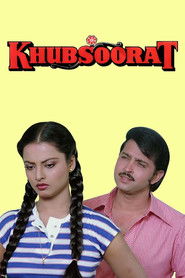
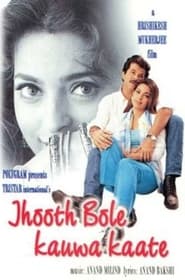
Hrishikesh Mukherjee, the best-loved maker of family comedies in India, was still at work. Khubsoorat, from 1980, stars Rekha as a high-spirited young woman who comes to stay in a household ruled by strict timetables and brings fun back into it. Naram Garam, from 1981, reunites Amol Palekar and Utpal Dutt, and Rang Birangi, from 1983, follows a meddling friend who decides that a married couple need a little excitement. In Kissi Se Na Kehna, a father insists on a simple, old-fashioned bride for his son, so the young doctor his son loves, played by Deepti Naval, has to pretend to be one. Jhoothi, from 1985, stars Rekha as a cheerful fibber, and Jhooth Bole Kauwa Kaate, from 1998, with Anil Kapoor and Juhi Chawla, was the director's farewell.
Sai Paranjape made three of the most delightful films of the decade. Sparsh, from 1980, is a tender and unsentimental love story between the principal of a school for blind children, played by Naseeruddin Shah, and a young widow who comes to teach there, played by Shabana Azmi. Chashme Buddoor, from 1981, follows three students sharing a flat in Delhi; two of them boast of conquests that exist only in their imagination, and the shy third, played by Farooq Shaikh, quietly wins the heart of the girl who sells washing powder door to door, played by Deepti Naval. Katha, from 1982, retells the fable of the hare and the tortoise in a crowded Bombay tenement, with Naseeruddin Shah as the honest clerk and Farooq Shaikh as the charming talker.
Gulzar, poet and director, is represented by Angoor and by two films of great delicacy. Ijaazat, from 1987, begins in the waiting room of a railway station on a rainy night, where a man and his former wife, played by Naseeruddin Shah and Rekha, meet by chance and look back over their marriage; one of its songs, a list of small belongings left behind, won national awards for its lyric and its singer. Lekin..., from 1990, produced by the singer Lata Mangeshkar, is a haunting tale of a government officer in the deserts of Rajasthan and a mysterious woman who seems to belong to another century.
Mahesh Bhatt made his name with two deeply felt dramas. Saaransh, from 1984, is the story of an elderly couple in Bombay who must find a new purpose after the loss of their only son; Anupam Kher, then in his twenties, played the retired schoolteacher in his first major role, and the performance made his career. Daddy, from 1989, follows a young woman, played by Pooja Bhatt in her first film, who discovers that her father, once a celebrated singer, is alive, and helps him to find his voice again. Saath Saath, from 1982, with Farooq Shaikh and Deepti Naval, is a story of a young couple and their ideals, with songs sung by Jagjit Singh and Chitra Singh, and Masoom, from 1983, the first film of Shekhar Kapur, tells of a happy family that takes in a small boy, with Naseeruddin Shah, Shabana Azmi and a set of children's songs that every Indian child of the time could sing.
Films from the art houses
The shelf of gentle cinema also holds a group of films made far from the commercial studios, many of them prize-winners at home and abroad.
Rudaali, from 1993, directed by Kalpana Lajmi, is set in the desert of Rajasthan, where Shanichari, played by Dimple Kapadia in a performance that won the national award, has faced a hard life with dry eyes; the songs, by Bhupen Hazarika, are much loved. Mammo, from 1994, directed by Shyam Benegal, is the affectionate portrait of a talkative grandaunt, played by Farida Jalal, who comes from Pakistan to stay with her sister and her teenage grandnephew in Bombay. In Custody, from 1994, the first feature directed by the producer Ismail Merchant, is taken from the novel by Anita Desai: a small-town lecturer, played by Om Puri, sets out to record an interview with a great Urdu poet, played by Shashi Kapoor, and finds the task far more complicated than he imagined.
Pestonjee, from 1988, directed by Vijaya Mehta, is a bittersweet comedy of two friends in the Parsi community of Bombay, played by Naseeruddin Shah and Anupam Kher. The Ruins, from 1984, directed by Mrinal Sen and known in Hindi as Khandhar, follows a photographer from the city who visits a crumbling country estate and meets a young woman, played by Shabana Azmi, who lives there with her ailing mother. Ek Din Achanak, also by Mrinal Sen, studies a family whose father, a retired professor, walks out one rainy evening. Naseem, from 1995, directed by Saeed Mirza, is a gentle story of a schoolgirl and her grandfather, played by the poet Kaifi Azmi, who tells her stories of a more harmonious past.
Sardar, from 1993, directed by Ketan Mehta, is a biography of Vallabhbhai Patel, the statesman who united the princely states with independent India, with Paresh Rawal in the title role. Rui Ka Bojh, from 1997, with Pankaj Kapur, follows a wise old man who divides his property among his sons and then has to decide where to live. For adventurous viewers there are the experiments: Om Dar-B-Dar, a playful, dream-like film from 1988 that has become a cult favourite, Mani Kaul's Satah Se Uthata Aadmi and Naukar Ki Kameez, Kumar Shahani's The Khayal Saga, a meditation on a form of classical singing, and Main Zinda Hoon, Current and Swara Mandal.
Family films
Almost every film on CineVood can be watched by the whole family, and some are especially suited to children. The Family shelf holds 58 films, and the Family films help page lists the best choices.
Children are at the centre of Mr. India, Masoom, Hum Hain Rahi Pyar Ke, King Uncle and Ek Ladka Ek Ladki, and they are usually cleverer than the adults around them. Mr. Bechara, from 1996, follows a shy printer, a widower caring for his baby son, and the young woman with a lost memory who is brought into his life. Akele Hum Akele Tum is a touching story of a father and his small son, and English Babu Desi Mem follows a little boy raised by his aunt in Bombay and the wealthy uncle who arrives from England to claim him.
Stories of twins and doubles are a speciality of the period, and children love them: Angoor, Chaalbaaz, Kishen Kanhaiya, Judwaa and Dil Hi To Hai all belong to the family. Fantasy is well served by Ajooba, Haatim Tai, Chamatkar and Adventures of Ali-Baba and the Forty Thieves. Stories of parents and grown-up children, a favourite subject of Hindi cinema, include Avtaar, Swarg, Umar 55 Ki Dil Bachpan Ka, Ikke Pe Ikka, in which a widower and his three sons all find partners in the same family, and Aa Gale Lag Jaa, a comedy about a miser and his generous son.
Music and dance
The film song was the popular music of India in these decades, and a good soundtrack could make a film. The Music and dance shelf holds 19 films about singers, dancers and poets, and the Music and dance help page is a short listening tour.
Taal, from 1999, directed by Subhash Ghai, is a grand musical about Mansi, the daughter of a folk singer from the hills, played by Aishwarya Rai, who becomes a pop star. Its score by A. R. Rahman, mixing folk melody with modern rhythm, was a sensation in India and abroad, and the film was among the first Hindi releases to reach the top twenty at the American box office. 1942: A Love Story, from 1994, directed by Vidhu Vinod Chopra, sets the romance of Anil Kapoor and Manisha Koirala against the freedom movement in a hill town, and its exquisite songs were the last work of the composer R. D. Burman.
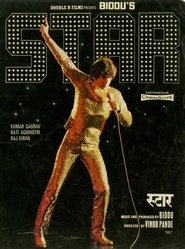
Sanam Teri Kasam, from 1982, with Kamal Haasan and Reena Roy, brought R. D. Burman his first Filmfare award, and Star, from the same year, with songs composed by Biddu and sung by Nazia Hassan and Zoheb Hassan, is a time capsule of the disco years. Saajan Ki Baahon Mein follows a popular singer and his admirers, Sangeet follows a young singer who has lost her sight, and Doli Saja Ke Rakhna, from 1998, directed by Priyadarshan with music by A. R. Rahman, is a tuneful story of two young people who put their families first.
Many films are remembered above all for their albums: Aashiqui, Saajan, Dil Hai Ke Manta Nahin, Maine Pyar Kiya, Chandni, Beta and Raja filled the cassette shops of their day. The voices of the period belong to Lata Mangeshkar and Asha Bhosle, to Kishore Kumar until 1987, and then to a new generation: Kumar Sanu, Udit Narayan, Alka Yagnik, Anuradha Paudwal and Kavita Krishnamurthy. The composers Laxmikant and Pyarelal, R. D. Burman, Bappi Lahiri, Nadeem and Shravan, Anand and Milind, Jatin and Lalit and Anu Malik wrote most of the songs you will hear.
The 1990s
The The 1990s shelf is the larger of the two decade shelves, with 106 films, and the The 1990s help page gives a quick overview. It was a decade of change: colour television and satellite channels reached millions of homes, the music cassette became an industry of its own, and a new generation of stars and directors took over.
The romances grew lighter and more playful. Yeh Dillagi, from 1994, inspired by the Hollywood classic Sabrina, has two brothers, played by Akshay Kumar and Saif Ali Khan, fall for the chauffeur's daughter, played by Kajol. ...Aur Pyar Ho Gaya, from 1997, was the first Hindi film of Aishwarya Rai, Barsaat, from 1995, introduced Bobby Deol and Twinkle Khanna, and Himalay Putra, from 1997, introduced Akshaye Khanna. Tere Mere Sapne, from 1996, the story of a London millionaire and a Bombay taxi driver who exchange lives, introduced Arshad Warsi and Chandrachur Singh, and Kareeb, from 1998, directed by Vidhu Vinod Chopra, is a charming romance set in a small town in the hills.
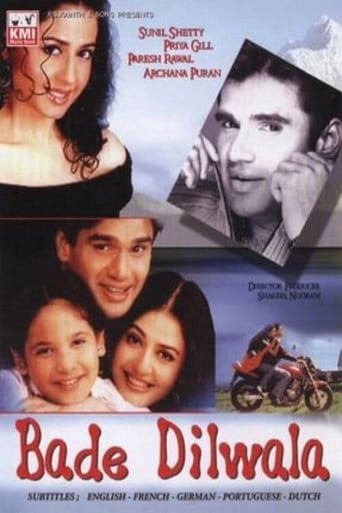
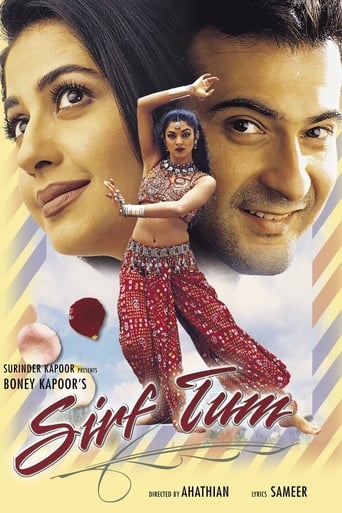
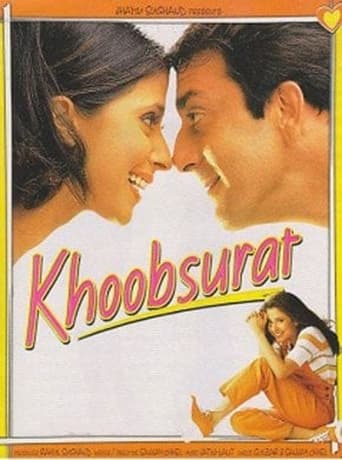
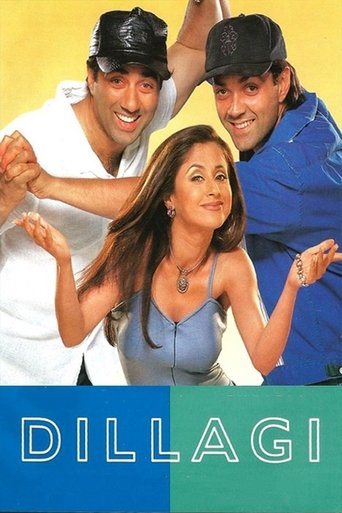
The closing years of the decade were rich. Dillagi, from 1999, directed by Sunny Deol, follows two brothers, played by the director and his real-life brother Bobby Deol, and Mast, directed by Ram Gopal Varma, follows a student who travels to Bombay to meet the film star he idolises, played by Urmila Matondkar. Khoobsurat, Dil Kya Kare, Hero Hindustani, Bade Dilwala and Sirf Tum, a romance between two people who fall in love by letter before they have met, show how varied the decade's films could be.
Smaller romances of the early 1990s have their admirers too: Prem Deewane, Jaanam, Dil Ka Kya Kasoor, Rang, Yaad Rakhegi Duniya, Pehla Pehla Pyar, Aao Pyaar Karen, Madhosh, Anari, Prem, Dil Ke Jharoke Main, Prem Aggan and Kudrat are all on the shelf, and so is Mere Sajana Saath Nibhana.
The highest rated
The Top Rated shelf gathers the 34 films with the highest ratings from viewers around the world, and the Top rated help page explains how it works. It is the quickest way to the very best of the two decades, and it mixes the popular and the refined: Masoom, Angoor, Mr. India, Chashme Buddoor, Saaransh, Sparsh, Katha, Ijaazat, Lamhe, Hum Hain Rahi Pyar Ke and Chachi 420 are all regular members.
The shelf is rebuilt each time the catalogue is refreshed, so a film may join it as more viewers discover and rate it. A rating is only a guide, of course. Some of the most enjoyable films on CineVood, the Govinda comedies above all, were made to be laughed at with a crowd, and their scores from critics have little to do with the pleasure they give.
Finding a film
There are several ways to find a film on CineVood, and the Finding titles help page describes each one. The search box in the top strip accepts a title, in Hindi or in English, and shows matching films as you type. The A to Z page lists all 172 films in alphabetical order, the Bollywood page lists them by popularity, and the boxes on the home page lead to the shelves by genre, by star and by decade.
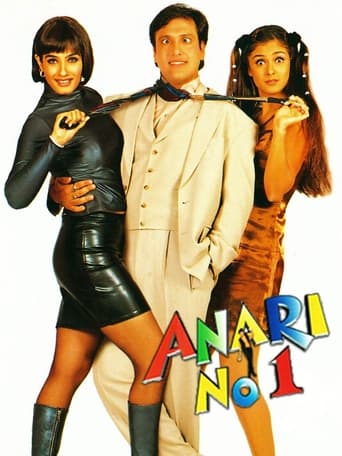
Hindi film titles are often reused, so the year is worth a glance. Two films here share the title Mohabbat: Mohabbat, from 1985, with Anil Kapoor, and Mohabbat, from 1997, with Sanjay Kapoor, Madhuri Dixit and Akshaye Khanna. Khubsoorat, from 1980, and Khoobsurat, from 1999, are different films with different spellings; Anari here is the 1993 film with Venkatesh and Karisma Kapoor; Barsaat is the 1995 film; and Tere Mere Sapne and Madhosh are the films of the 1990s. A few art-house films are listed under English titles, so Khandhar appears as The Ruins and Muhafiz as In Custody.
What a title page shows
Every film has a page of its own. At the top are the poster, the title, the original Hindi title, the year, the running time and the rating from viewers around the world. Below come the story in English, the genres, the director and the leading actors, and a row of related films from the same shelves. The Watch now button opens a list of the official services that carry the film in your country, with a note of whether each one offers it to subscribers, to rent or to buy.
Hindi films of the 1980s and 1990s are widely available. Many are offered free of charge, with advertisements, by the official channels of the companies that own them; others are held by the large subscription services or by services that specialise in Indian cinema. Availability differs from country to country and changes from month to month, so the list on each title page is the best place to look. Most services offer English subtitles, often for the songs as well.
The Add to My List button, on every title page, saves a film to a personal list kept in your own browser. The list is free, opens at once and is there the next time you visit on the same device. The My List help page explains how to add, review and remove films and how to carry the list to another device.
A first week
For a newcomer, seven evenings are enough to meet the best of the two decades. On the first evening, watch Mr. India with the whole family. On the second, laugh with Angoor. On the third, fall in love with Maine Pyar Kiya, and on the fourth, with Chandni or Lamhe. On the fifth, let the children choose between Hum Hain Rahi Pyar Ke and Chachi 420. On the sixth, try the gentle wit of Chashme Buddoor, and on the seventh, turn up the volume for Taal.
A second week is easy to plan: Masoom, Satte Pe Satta, Namak Halaal, Chaalbaaz, Saajan, Raju Ban Gaya Gentleman and Khamoshi: The Musical. A third might be given to the quieter films, Sparsh, Katha, Ijaazat, Saaransh, Mammo, In Custody and Rudaali, and a fourth to pure comedy, with Raja Babu, Deewana Mastana, Judwaa, Dulhe Raja, Haseena Maan Jaayegi, Chameli Ki Shaadi and Do Aur Do Paanch.
The people behind the films
A film of this period was the work of a large and familiar company, and the same names appear again and again in the credits. Knowing a few of them adds to the pleasure.
Among the directors, Yash Chopra shaped the romance, with Chandni, Lamhe and Vijay; Subhash Ghai was the showman, represented here by Taal; Rakesh Roshan moved from acting to directing with Khudgarz, Kishen Kanhaiya, Khel and King Uncle; Indra Kumar made Beta, Raja and Mann; and Mahesh Bhatt turned from personal dramas such as Saaransh and Daddy to musical romances such as Aashiqui and Dil Hai Ke Manta Nahin. The Rajshri company, which made Maine Pyar Kiya, had earlier produced Nadiya Ke Paar, a village romance from 1982 that later inspired one of the greatest successes of the 1990s.
The character actors are the secret strength of these films. Anupam Kher, who appears in 16 films in this catalogue, could play a comic father, a grieving teacher or a scheming uncle with equal ease. Kader Khan, Paresh Rawal, Saeed Jaffrey, Shammi Kapoor in his later years, Aruna Irani, Reema Lagoo, Alok Nath, Satish Kaushik, Johnny Lever and Laxmikant Berde turn up again and again, and Amrish Puri, the most feared villain of the era, shows in Chachi 420 what a fine comedian he could be. Farooq Shaikh and Deepti Naval, the favourite pair of the gentle cinema, appear together in Chashme Buddoor, Saath Saath, Katha and Kissi Se Na Kehna.
The writers deserve a word as well. Javed Akhtar, after his famous partnership with Salim Khan, wrote Mr. India, Saagar and Main Azaad Hoon and the lyrics of 1942: A Love Story. Gulzar wrote the songs for Masoom as well as for his own films, and Honey Irani wrote Lamhe and Aaina. Choreographers such as Saroj Khan, who created the dances of Sridevi and Madhuri Dixit, became famous in their own right.
How the catalogue is kept
The catalogue on CineVood is checked by hand. Each film is read against its story, its certificate and its reviews before it joins a shelf, so that the collection stays suitable for a family audience. The descriptions are written in plain English, the years and running times are checked against the public film databases, and the posters are the official ones. The shelves and the Popular list in the side column are rebuilt each time the catalogue is refreshed.
CineVood is a guide. It hosts neither films nor downloads; each Watch now button leads to an official, licensed service, so every viewing supports the companies and the artists who made these films and the archives that look after them.
Questions and answers
Questions
What is CineVood?
CineVood is an English guide to 172 Hindi films made between 1980 and 1999. Each film has a page with its story, year, running time, director and cast, and a Watch now button that leads to the official services carrying it in your country.
Which films should I watch first?
Start with Mr. India, Angoor, Maine Pyar Kiya, Chandni, Hum Hain Rahi Pyar Ke, Chachi 420 and Taal. The Top Rated shelf and the first-week plan in the guide suggest many more.
Is the catalogue suitable for families?
Yes. Every film is chosen by hand for a family audience, with an emphasis on comedies, love stories, family dramas and fantasies. The Family films help page lists the best choices for children.
Are the films subtitled in English?
Most official services offer English subtitles for Hindi films of this period, and many subtitle the songs too. The services listed on each title page show the languages they provide.
How do I find a film by its Hindi title?
Type the title into the search box in the top strip, or open the A to Z page, which lists all 172 films. A few art-house films are listed under their English titles and are found by either name.
Why are there two films called Mohabbat?
Hindi titles are often reused. The catalogue holds the 1985 film with Anil Kapoor and the 1997 film with Madhuri Dixit, and the year on each page tells them apart.
How does My List work?
The Add to My List button on a title page saves the film in your own browser. The list is free, opens at once and is there on your next visit from the same device.
Does CineVood host films or downloads?
CineVood is a guide only. Every Watch now button leads to an official, licensed service, so each viewing supports the people who made the films.